
What is inclusion?
• Inclusion is an educational approach and philosophy that provides all students with community membership and greater opportunities for academic and social achievement. Inclusion is about making sure that each and every student feels welcome and that their unique needs and learning styles are attended to and valued.
Inclusive Education
• It means the doors to schools, classrooms and school activities are open to every child and they are afforded every opportunity to be included with their non-disabled peers.
• Inclusive Education refers to an education system that accommodates all children in the same set up regardless of their physical, intellectual, emotional, social or any other condition.
• Inclusive education is an educational approach in which all children, regardless of their physical, intellectual, social, emotional, linguistic, or other differences, learn together in the same classroom. It promotes equal opportunities, respect, and participation for every student. Inclusive education helps children develop confidence, cooperation, and understanding of diversity. Teachers use suitable methods, teaching aids, and supportive environments to meet the needs of all learners. This system encourages acceptance and reduces discrimination in schools and society. Inclusive education not only benefits children with special needs but also improves the learning experience and social skills of all students in the classroom.
Purpose of Inclusive Education
• Its purpose is to ensure equal access, participation, dignity, and educational opportunities to every child, reducing exclusion based on disability, gender, caste or other differences, and aligning with constitutional rights and NEP 2020 goals.
• The purpose of inclusive education is to provide equal learning opportunities to all students, including children with disabilities and special needs, in a common classroom environment. It aims to promote participation, acceptance, and respect among students from different backgrounds and abilities. Inclusive education helps every child develop academically, socially, and emotionally according to their potential. It encourages cooperation, confidence, and understanding of diversity. This approach also reduces discrimination and creates a supportive learning atmosphere where all students feel valued and included. Inclusive education prepares children to live harmoniously in society and contributes to building a fair and equal community for everyone.
Target Group/beneficiary of the scheme
Target group of the Scheme are the Children with special needs in the age group of 6-18 yrs.
The scheme covers all children from pre nursery to senior secondary stage studying in Government, local body and government-aided schools, with one or more disabilities as defined under the Rights of Persons with Disabilities Act (2016) namely:
• Blindness
• Low-vision
• Leprosy Cured persons
• Hearing Impairment (deaf and hard of hearing)
• Locomotor Disability
• Dwarfism
• Intellectual Disability
• Mental Illness
• Autism Spectrum Disorder
• Cerebral Palsy
• Muscular Dystrophy
• Chronic Neurological conditions
• Specific Learning Disabilities
• Multiple Sclerosis
• Speech and Language disability
• Thalassemia
• Haemophilia
• Sickle Cell disease
• Multiple Disabilities including deaf blindness
• Acid Attack victim
• Parkinson's disease
Activities under Inclusive Education:
Organization of Medical Assessment camp
Distribution of Aids and appliances
Corrective Surgery
Distribution of Braille Books
Barrier free school Environment
Provision for Home Based Education:
Maintenance of Individualized Education Plan:
Peer group sensitization programme
Provision for Transport and Escort Allowances to CwSN
Provision for Stipend to girls CwSN
Counseling & training for parents
Special Remedial Teaching for CwSN
Convergence with other organization
Therapy Services for CWSN at Resource Room
Environment Building Programme -Observation of World Disabled Day, Braille Day etc.
Teacher Training to deal with CwSN
Vocational Training for CwSN
Extra-Curricular Activities performed by CwSN
Registration for UDID card
Networking and Convergence with Other organizations for
Organizing Medical Assessment Camp.
Distribution of Aids and Appliances & artificial limbs
Training for parents
Training for teachers
UDID card for CwSN
Corrective Surgery etc.
CwSN covered 2025-26
| Level | CWSN Covered | CWSN enrolled in schools | CWSN covered through HBE |
| Elementary | 49426 | 44790 | 4636 |
| Secondary | 5925 | 5925 | 0 |
| Total | 55351 | 50715 | 4636 |
Category of SwSN
| Level | CWSN Covered | CWSN enrolled in schools | CWSN covered through HBE |
| Elementary | 49426 | 44790 | 4636 |
| Secondary | 5925 | 5925 | 0 |
| Total | 55351 | 50715 | 4636 |
Major activities/programmes implemented in 2025-26:
Early Identification and Assessment
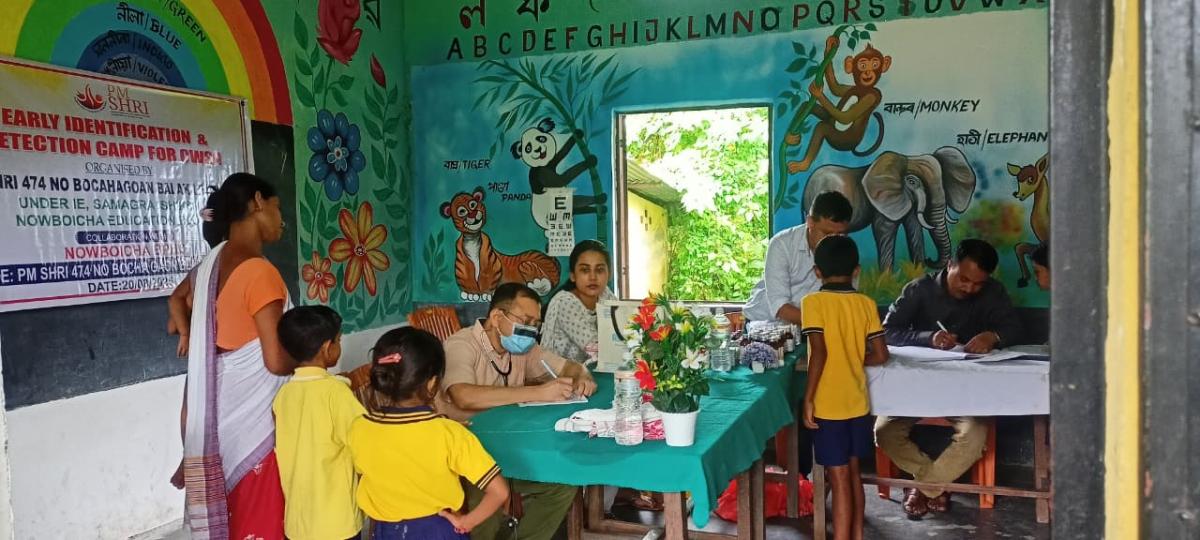
• Early Identification and Detection Camps were conducted in all 147 blocks in convergence with the National Health Mission (NHM) under the RBSK, NPCB&VI, and NPCCD programmes to identify children with disabilities and facilitate timely intervention.
• A total of 97 assessment camps were organized in convergence with ALIMCO for the identification of beneficiaries requiring aids and assistive devices.
Provision of Aids and Assistive Devices
• Through convergence with ALIMCO, 3,952 CwSN were provided with various aids, appliances, and assistive devices to enhance their mobility, communication, and learning outcomes.
Financial Support to CwSN
• Transport Allowance of ₹6,000 per child was provided to 13,789 CwSN to support their access to schools.
• Escort - Allowance of ₹6,000 per child was provided to 7,675 CwSN requiring assistance for commuting to school.
• Stipends of ₹2,000 per annum were provided to 22,868 girls with special needs, encouraging their participation and retention in education.
• Under the Home-Based Education (HBE) programme, 4,636 CwSN with high support needs received financial assistance of ₹3,500 per child to support their care, well-being, and educational needs.
Inclusive Learning Resources
• Braille textbooks were provided to 433 children with visual impairment in convergence with the Government Braille Press, ensuring access to inclusive and accessible educational materials.
Therapeutic Interventions
• A total of 7,931 CwSN received therapeutic support services, including speech therapy, occupational therapy, and physiotherapy, through Resource Rooms established across various districts. These interventions contributed significantly to the holistic development and functional improvement of the children.
Capacity Building and Digital Initiatives
• Under the Assam-SETU initiative, implemented in collaboration with the Empathy Bridge Foundation, 632 Special Educators from all 33 districts were trained. The digital platform facilitates the preparation of Individualized Education Plans (IEPs) and enables systematic monitoring of CwSN progress.
• A three-day online training programme was conducted for 632 Inclusive Education functionaries to strengthen their understanding and implementation of inclusive education practices.
• Additionally, 2,323 teachers were trained on Specific Learning Disabilities (SLD) to enhance their capacity to identify and address diverse learning needs within inclusive classrooms.
During 2025–26, significant progress was achieved in strengthening inclusive education through enhanced identification, assessment, provision of assistive devices, therapeutic support, financial assistance, and capacity-building initiatives. The continued emphasis on convergence with health and rehabilitation agencies, digital monitoring systems, and teacher training has contributed to improving access, participation, and learning outcomes for Children with Special Needs across the state.
 .
.
Early Identification and Detection Camp of CWSN at PM SHRI 747 No Bachagaon Balak LPS, Lakhimpur District

Assessment camp
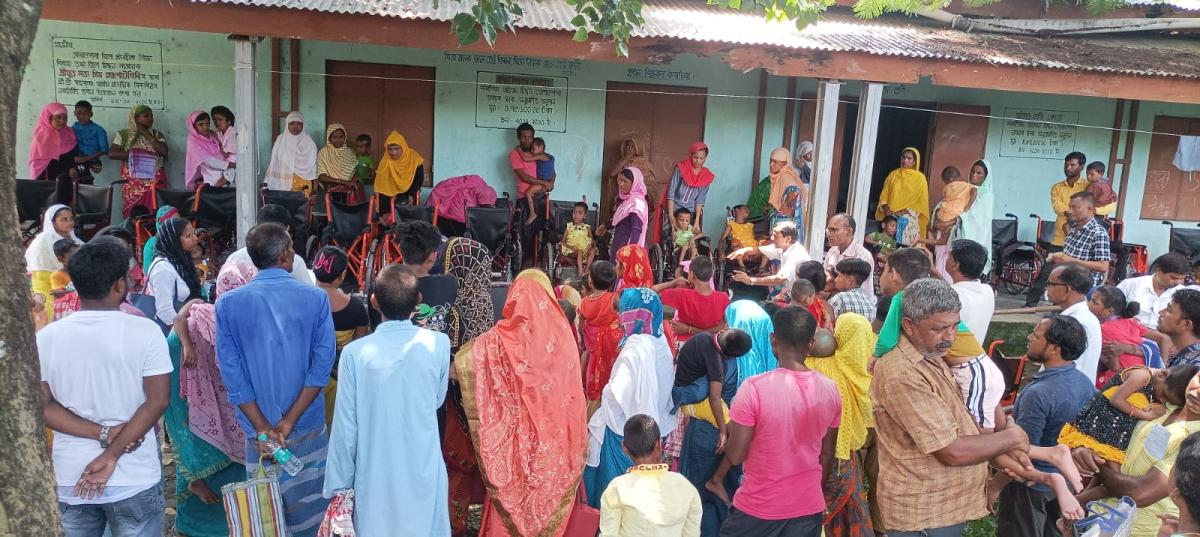
Distribution of Aids & Appliances, Matia block, Goalpara District
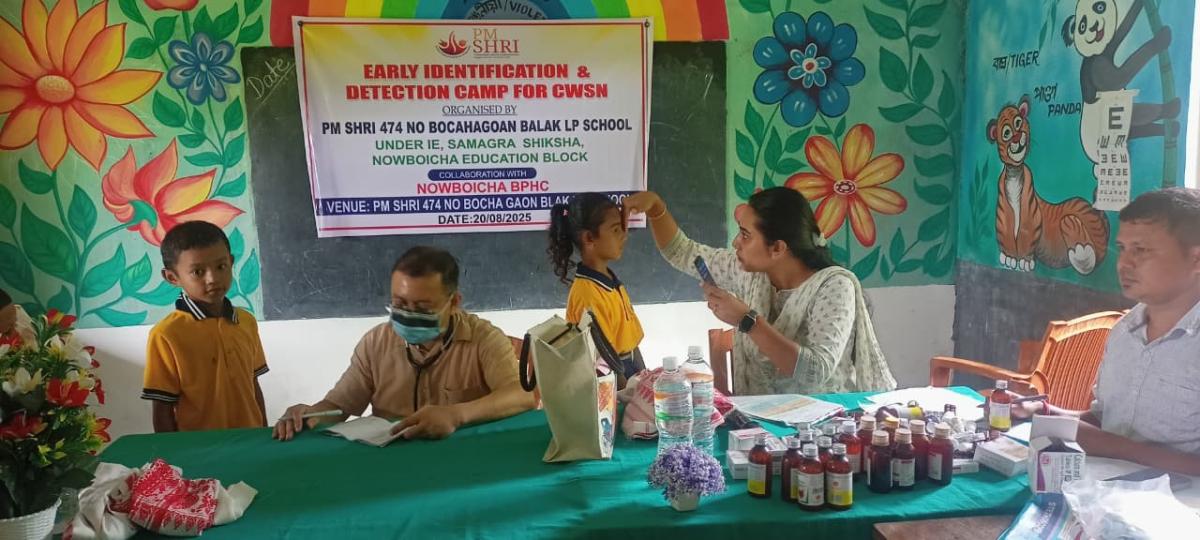
Early Identification and Detection Camp of CWSN at PM SHRI 747 No Bachagaon Balak LPS, Lakhimpur District
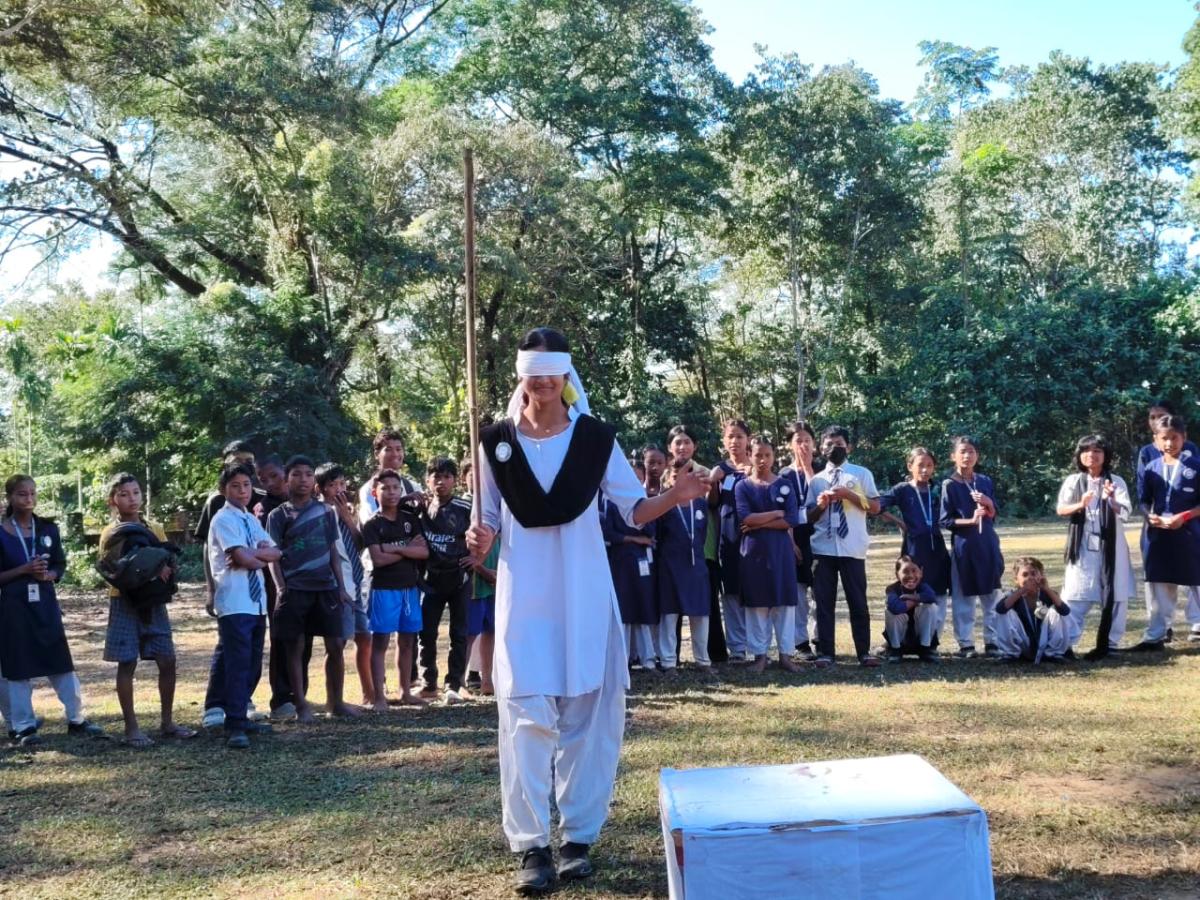
Inclusive Sports PMSHRI Laimekuri Higher Secondary School, Dhemaji

Peer group support
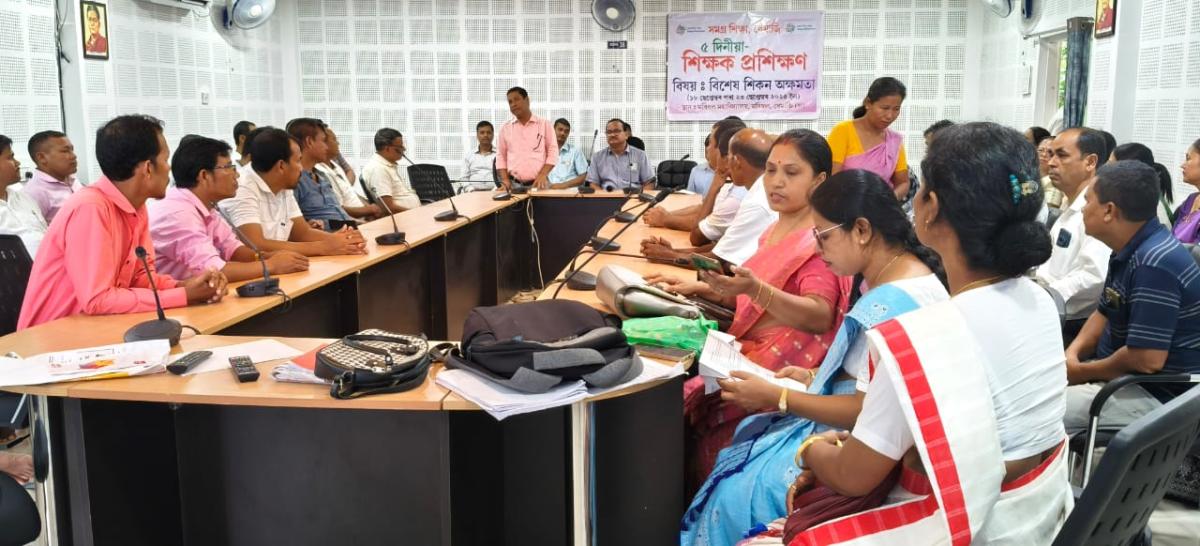
SLD Training -Dhemaji
Summer Camp Report, 2025
The Summer Camp conducted across all blocks during the July 2025 vacation aimed to provide holistic support to students, addressing their educational, therapeutic, health, and social needs. The camp was designed to offer a comprehensive range of activities that enhance students' overall development and well-being.
1. Therapeutic Services
Therapeutic interventions were provided to students requiring specialized support. These services included speech therapy, occupational therapy, and counseling sessions to assist students in overcoming their individual challenges.
2. Remedial Teaching
Focused remedial teaching sessions were organized to help students improve their academic performance, particularly in core subjects. Personalized attention was given to strengthen foundational skills and bridge learning gaps.
3. Preparation of Individualized Educational Programmes (IEPs)
IEPs were developed and reviewed for students with special educational needs. These plans were tailored to meet the specific learning goals, abilities, and requirements of each student to promote inclusive education.
4. Parent Counseling
Parent counseling sessions were conducted to engage families in the educational process, offering guidance on supporting their child’s development at home and collaborating for better educational outcomes.
5. Health Checkup
Comprehensive health checkups were organized to monitor the physical well-being of the students. Medical professionals conducted screenings and provided necessary referrals or advice for maintaining good health.
6. Home Visits
Home visits were carried out to better understand the student’s environment and provide personalized support. These visits helped build stronger relationships between educators, students, and families, ensuring a supportive home-school connection.
Outcomes
• Enhanced academic and therapeutic support led to measurable improvements in student learning and development.
• Strengthened collaboration between teachers, parents, and healthcare providers.
• Increased awareness and participation of parents in their child’s educational and developmental progress.
• Early identification and intervention of health and learning issues.
The Summer Camp of July 2025 successfully provided multi-dimensional support to students across all blocks. The integrated approach encompassing education, therapy, health, and family engagement contributed significantly to the overall well-being and progress of the participants.
| Title | Size | Detail |
|---|---|---|
| Block wise CWSN and Schools | 430.38 KB |  |
| Year Wise coverage of Children With Special Needs (CWSN) | 397.48 KB | |
| District wise CWSN (Pre Primary) | 414.68 KB | |
| District wise & Category wise - IE Data | 74.3 KB |  |
| District wise working number of RPs, ARPs and AARPs - IE Data | 10.34 KB | |
| Medical Camps of Hearing Impaired Children, General Awareness on Inclusive Education and Awareness on World Disabled Day | 1.77 MB | |
| Achievement during 2022-23 | 18.47 KB | |
| District and category wise CWSN | 8.92 KB | |
| District & Class wise CWSN | 8.6 KB | |